Spring, TX Strength and Skill: condition1combat.com adult martial arts training
Spring has a particular rhythm to it. The traffic eases just enough after 6 p.m., the heat lingers, and inside a clean, matted room near Louetta and 45, you hear the thud of pads and the short breath of a partner drill done right. Adult martial arts training at Condition 1 Combat Center is built for that window in the day when job titles and email threads give way to striking combinations, clinch work, and problem solving under pressure. It is not a quick fix. It is a craft. And for working adults in Spring, TX, that craft pulls together fitness, self defense, and a sense of community that even a well stocked gym cannot replicate.
This is not theory. I have watched forty year olds pick up their first rear naked choke and light up with the same grin they had at sixteen, and I have helped desk-bound professionals finally unlock their hips in a way that made their lower back pain fade. The power of a place like Condition 1 sits in those granular wins. Condition1combat.com gives an overview, but the value shows up when you lace up your gloves, square your stance, and learn how to move with purpose.
What adult training looks like, hour by hour
You should expect structure with room for adaptation. Sessions are designed to make progress even when your day has been chaotic, and to meet you where you are. Technique comes first, intensity ramps with control, and live drills close the loop so you can trust your skills outside of the gym.
- Targeted warm up: mobility for hips, shoulders, and ankles, core activation, and movement patterns like sprawls, technical get ups, and footwork ladders.
- Technical block: focused instruction on a theme, such as jab cross hook counters, single leg entries and finishes, or side control escapes.
- Positional drilling: timed, progressive reps with partners, adding light resistance and correction from coaches.
- Live application: controlled sparring, situational rounds, or pressure testing against specific problems, such as wall clinch or grip fighting.
- Cool down and review: breathing drills, range of motion work, and a short debrief to lock in cues and next steps.
The list is a skeleton. The coaching team fills it in with intent. On some nights, you will spend twenty minutes on a single transition because it keeps falling apart under stress. On others, you will cycle between pads, bags, and partners to build timing and confidence for longer exchanges.
Self defense done as a system, not a slogan
Plenty of places claim to teach self defense. The difference at a pressure tested school is that skills are built to work against a live, resisting partner and in context. When students search for condition1combat.com self defense classes, they are usually looking for one of three things: how to avoid getting hurt, how to end a bad situation quickly, or how to protect family when chaos strikes. Adult martial arts training at Condition 1 Combat Center addresses all three by treating self defense as a continuum.
A practical example: an evening module on the standing headlock. First, recognition, the positions that lead to it in real life, like overcommitted clinches or someone trying to drag you toward a door. Next, base and posture recovery. You learn how to frame on the attacker’s hip, how to find the seam behind the knee with your hand while your chin protects your throat, and how to rotate to daylight. Then, immediate exits versus control options. If you need to disengage, you learn the break, reset distance, and move. If visit website you need to control, you work into a body lock, knee tap, and a clean path to leave or call for help.
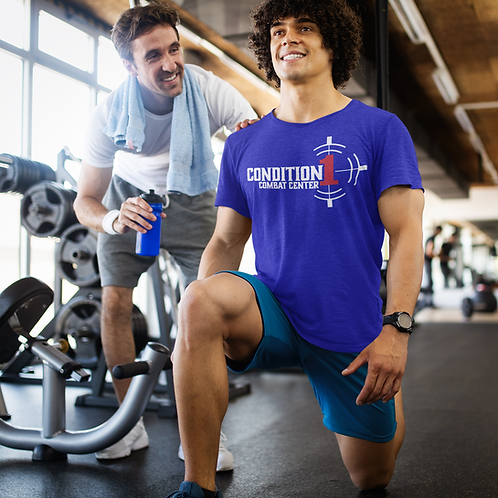
Size and age matter, so strategies scale. A 5 foot 2 nurse I worked with could not count on muscling her way out of a bully’s grip. She learned to treat the forearm like a lever, make space with her hips, and attack the legs, not the head. Two weeks in, she could reproduce the escape against partners 40 to 60 pounds heavier. That is what self defense classes at condition1combat.com are designed to produce, practical fluency against resistance, not choreographed wins.
Striking that translates
There is a difference between hitting pads for sweat and learning to strike a moving opponent who does not want to be hit. Condition 1 Combat Center martial arts classes make that difference explicit. You drill footwork that actually places you outside the opponent’s power line. You learn how to hide an entry behind a jab and how to angle off before returning fire. The big shift for most adults is learning to manage pace, to swap the instinct to throw hard for the habit of throwing on time.
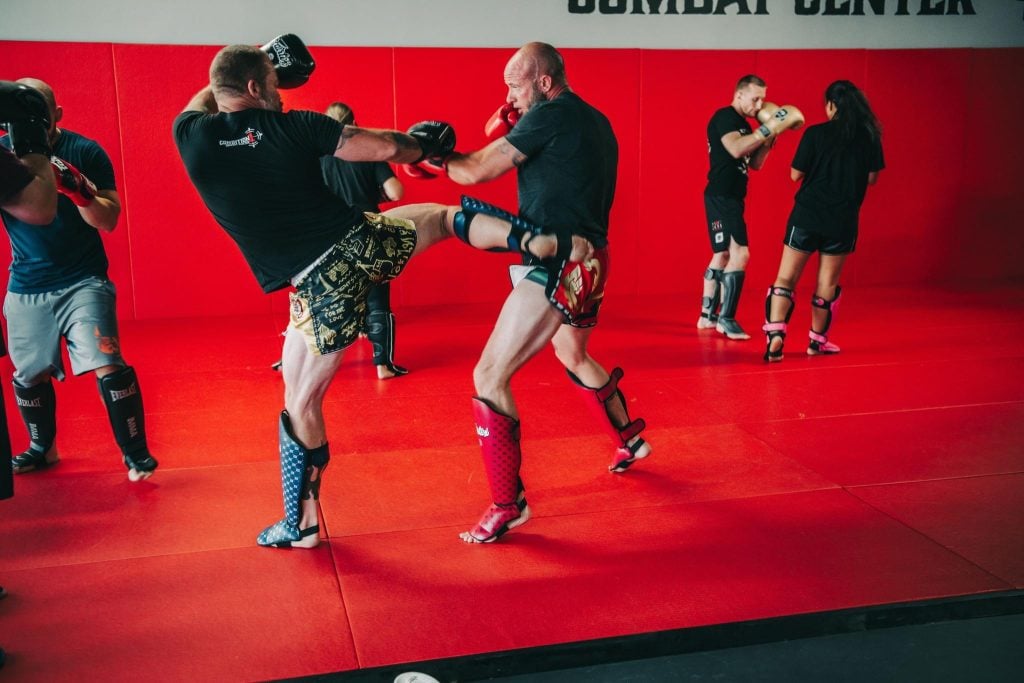
On sparring nights, constraints are used to sharpen decision making. One round might limit you to lead hand strikes only, forcing you to improve feints and hand control. Another might require a strike to grappling transition off the fence, to smooth the handoff from boxing range into clinch positions. When you see condition1combat.com martial arts classes advertised, this is the substance under the hood, striking that does not collapse when the other person moves wrong on purpose.
Grappling without ego
Grappling humbles everyone, and that is part of its value. Adults arrive with stiff hips, old knee aches, and a healthy fear of being pinned. Good coaching lets you build skill without compounding those risks. Expect to spend early sessions on frames, connection to the floor, and safe entries to dominant pins like side control and mount. You learn to escape before you learn to submit. That order matters. It reduces panic, lets you breathe, and prevents the frantic scrambles that tweak necks and ribs.
There is a moment I have seen hundreds of times. A new student gets flattened in side control, feels stuck, and thinks strength will save them. The coach steps in, puts a hand on their shoulder blade, and cues three things: elbows to ribs, knees to elbows, look where you want to go. The student bridges with intent, slides the knee through, and recovers guard. Two breaths later, their heart rate drops. The room looks friendlier. That pivot from panic to process is what keeps adults training into their 40s and 50s instead of flaming out.
Strength and conditioning that supports skill
You will not find endless burpees for their own sake. Conditioning blocks at Condition 1 Combat Center are plugged directly into the technical theme of the day. If the class focused on single leg finishes, the finisher might be sled drags and med ball slams from a staggered stance. If the class worked striking to clinch, the finisher could be rope pulls followed by short, explosive sprawls. The aim is to develop energy systems that matter without stealing recovery from the skill work.
Real numbers help set expectations. Most adults who start with inconsistent exercise habits will see noticeable aerobic gains within 4 to 6 weeks, as measured by heart rate recovery between rounds. Grip strength tends to jump early too, especially if you add two short at home sessions with a towel pull or farmer’s carry. Power output, the feeling that your strikes have real weight, often arrives in weeks 8 to 12 as timing and hip rotation sync. None of this requires maximal lifts or extreme diets. It does require attendance, sleep, and a plan that respects your job and family.
Safety is a skill, not just a rule
The first rule of a sustainable adult program is that everyone goes back to work the next day. That means a culture that respects tap early, control over chaos, and partners who match intensity. Coaches set the tone by grouping students by size, experience, and goals. Contact levels are scaled, and protective gear is treated as normal, not a sign of weakness. Mouthguards and gloves are standard for striking, headgear is used for specific drills, and grapplers learn to manage grips so fingers and wrists stay healthy.

When someone gets dinged, the response is practical. A tight hamstring gets immediate modification suggestions, such as drilling from the knees or isolating upper body pummeling that night. A sore shoulder might lead to an offhand only striking round, which, not coincidentally, often cleans up footwork. Long term, the staff encourages prehab work. Ten minutes of shoulder external rotation, thoracic mobility, and hip flexor release pays back hours on the mat.
Adult motivations and how training meets them
Adults sign up for different reasons, but certain patterns repeat. Some want practical self defense they can trust under stress. Others want to reclaim athletic identity after years of desk work. Several need accountability that a standard gym does not give. Martial arts Condition 1 Combat Center programs give structure and feedback. When you miss a week, your training partners notice. When you hit a technical milestone, such as finishing your first clean double leg in live rounds, another adult gives you a nod that means more than a streak on a fitness app.
For the parent who scans condition1combat.com kids martial arts while thinking about their own training, the connection between programs helps. The same staff that keeps seven year olds focused on balance and listening skills runs adult classes with clarity and patience. Your child learns falling safely while you build a strong base for takedown defense. You both go home a little tired and a lot happier, and the dinner table conversation shifts from screens to what you learned.
What sets Condition 1 apart in Spring, TX
The Spring area has plenty of fitness options, from budget gyms to boutique studios. The value of Condition 1 sits in how it blends martial arts classes Condition 1 Combat Center style with coaching that respects adult bodies and schedules. Technical depth is non negotiable. Real contact and live drills make the skills stick. The facility is clean, the mats are well maintained, and classes begin on time, details that matter when your evening window is tight.
Coaches also know the local tempo. They understand that traffic on 99 can eat your warm up and that a refinery shutdown or end of quarter push will pull some adults out of routine. The program flexes, with options to focus on technical drilling when you return, instead of throwing you back into deep water on day one. Accountability remains, but the door stays open.
Progression without obsession over belts
Rank can motivate, but adults often respond better to clear, functional benchmarks. You will find both at Condition 1. Formal rankings and stripes exist, especially for grappling disciplines, and they mark long term progress. Between those markers, the staff uses performance checkpoints. Can you defend a basic double leg against a resisting partner your size? Can you escape side control in under 30 seconds without giving up your back? Can you maintain composure for three short sparring rounds while managing distance and breath?
When those answers turn into yes, your confidence changes. A 42 year old accountant I coached started with a simple goal, keep up with his kids without getting winded. Six months later, he was managing distance with a stiff jab and shutting down lazy shots with a solid sprawl and crossface. He still dreaded burpees, but he walked into meetings with a different posture. He earned that not with talent, but with three nights a week and a notebook where he wrote the day’s cues. Adult martial arts training Condition 1 Combat Center style rewards that kind of steady effort.
Community and culture that builds consistency
The best rooms police themselves. If someone goes too hard with a new student, a senior member has a quiet word. If someone misses for a week, a message pings their phone, not to shame, but to remind them that their spot on the mat is waiting. This is why condition1combat.com martial arts, in practice, feels like more than a hobby. Adults need that mix of challenge and belonging. It helps that the group is diverse. You will see teachers, nurses, tech workers, and tradespeople, in their 20s to their 50s, all learning how to manage pressure and read movement.
Social events matter too, not the loud, late night kind, but weekend open mats, short workshops, and charity rolls. Those extra sessions are where skills knit together. A Saturday hour of light positional sparring often unlocks something that eluded you all week, because the pace is lower and the room is supportive.
What you actually need to start
There is a temptation to overbuy gear. You do not need to. For striking focused classes, a well fitting mouthguard and 14 to 16 ounce gloves are sufficient at first, with wraps for wrist support. For grappling, a rash guard, shorts without pockets, and a water bottle will carry you. Staff can advise on the right gi or shin guards if your track requires them. Show up five to ten minutes early the first few classes, tell the coach if you have old injuries, and plan to learn more names than techniques on day one.
To keep the early weeks smooth, hold two guides in mind. First, measure success by attendance and attention, not by how many techniques you think you learned. Second, give new patterns time to sink in. Footwork, guard retention, and safe falling are motor skills. They sharpen with short, frequent practice.
Smart ways to fit training around a full life
Living in Spring means family schedules, commute windows, and weather that can drain energy. A little planning goes far.
- Pick two non negotiable class slots each week, then add a flexible third when possible.
- Keep a go bag in the car with wraps, a clean shirt, and snacks so traffic cannot steal your training.
- Track one metric for six weeks, such as heart rate recovery or rounds completed with good form.
- Share your plan with your partner or a friend at the gym for accountability.
- Sleep 30 to 45 minutes more on training nights, and drink water before you arrive, not just after.
None of these require big life changes. They do require deciding that you will treat training as a standing meeting with yourself.
How kids and adult programs support each other
Parents browsing Condition 1 Combat Center kids martial arts often ask whether starting together makes sense. In my experience, it does. Kids learn discipline and body control quickly when they see a parent practicing those same values. Adults benefit from the reminder to keep things playful and curious. Staff coordinate schedules so family logistics are realistic, and the culture reinforces that everyone, at every age, is learning. When a child masters a forward roll the same week a parent nails their first clean hip escape, dinner conversations get very specific, in a good way.
The curriculum for younger students focuses on stance, balance, and attention, with real self defense lessons like boundary setting and how to seek help. The adult side dives deeper into pressure, timing, and physical control, but the shared language means you can talk about frames, base, and breath control at home. That continuity is rare, and it improves retention on both sides.
What realistic results look like at 4, 12, and 24 weeks
It helps to know what good progress looks like. At 4 weeks, expect to feel less lost. You will know where to stand, how to guard your head, and how to fall safely. Your cardio will improve enough that you can finish classes without staring at the clock. At 12 weeks, movement patterns will begin to stick. You will catch yourself pivoting correctly during combinations and using your hips instead of your arms for power. In grappling, guard retention and basic escapes will become reliable against partners your level.
At 24 weeks, your training partners will notice your timing. You will see patterns earlier, like when an opponent overcommits their weight or leaves their lead leg hanging. Self defense scenarios that felt chaotic at first will slow down, because your brain has a library of options tied to positions. These are typical ranges, not promises. Progress depends on attendance, recovery, and willingness to ask questions. Coaches at Condition 1 encourage note taking and video feedback within privacy rules, tools that help adults retain details between sessions.
The mindset that keeps adults improving
Adults bring habits from work into the gym. Some help, some do not. Perfectionism slows learning in live environments. Curiosity speeds it up. The best adult students ask clear, short questions, then test the answer with a partner at 30 percent speed before ramping up. They accept that a clean shrimp escape in drilling may turn into a messy scramble in live rounds, and that this is normal. They also pay attention to recovery. Food, sleep, and light mobility work between classes do not sound exciting, but they are the multipliers that make three hours a week feel like six.
Coaches reinforce a growth mindset with specific praise. Instead of saying good job, they might say, your right foot pivoted on that hook, and your balance stayed set. Keep that. Specific, actionable feedback beats generic hype every time, especially for adults who value clarity.
Where to start and how to make the first visit count
When you head to condition1combat.com martial arts to book a first class, choose a fundamentals session. Let the staff know about any concerns in advance, such as a surgically repaired knee or a shoulder that complains over 90 degrees. Plan to arrive a few minutes early to sign a waiver and meet the coach. Warm up even if you feel silly. If you forget a piece of gear, ask. Most gyms have loaners for first timers. During class, stay near the front when technique is shown, partner with someone who has a calm demeanor, and aim for clean, repeatable reps instead of speed.
After class, jot down three cues that clicked. Something like head over hips on the sprawl, elbow to ribs before framing, or exhale on every strike. Walk the next day if you can, and drink water. Expect to be sore in the small stabilizers, not just big muscles. Book your next session before you leave the parking lot. Momentum matters.
Why this program works for Spring adults
The adult program at Condition 1 is not a mystery. It works because it respects time, teaches skills that hold up, and builds a room where people help each other get better. It also threads a needle that many gyms miss. It pushes intensity without romanticizing injuries, and it brings enough structure to make learning feel linear without sanding off the edges that make martial arts honest and alive.
When people search for Condition 1 Combat Center adult martial arts training or adult martial arts training condition1combat.com, they want more than a brochure. They want to know if a real place, with real people, can help them feel strong, capable, and prepared. The answer is yes, provided they bring consistency and a willingness to learn. The staff handles the rest, from appropriate progressions to clear safety protocols.
If you have been meaning to start for months, the best time is the next available class. Bring a mouthguard, an open mind, and enough patience to let the first few weeks feel awkward. Skills arrive. Confidence follows. And one night you will catch yourself slipping a jab and angling off without thinking, then walking to your car in the heavy Spring air, quietly pleased that you finally made the time for yourself.
A note for families
For families looking at Condition 1 Combat Center kids martial arts alongside adult options, ask about trying a week where schedules line up so you can both attend. Kids pick up good habits faster when they see them modeled, and adults find extra motivation when a little voice at home asks what you learned. Whether you train striking, grappling, or a blend, the shared experience tends to stick. It makes the home feel like an extension of the mat, where respect, patience, and effort are normal.
Condition1combat.com kids martial arts pages will outline youth class goals. The adult pages will detail fundamentals and advanced sessions. The throughline is the same. Show up, be coachable, and put quality reps together. In a few months, the difference in body language, energy, and readiness shows. It carries into work, school, and the way a family handles tough days. That is a return that beats any number on a barbell.
Final thoughts before you step on the mat
Spring, TX has plenty of ways to sweat. Few build skill and composure the way martial arts do when taught with care. Condition 1 Combat Center martial arts classes are set up so adults can take that path without guesswork. You learn to manage distance, control positions, and act under pressure. You get stronger along the way, but strength is the bonus, not the point. The point is capacity, the quiet kind that shows up when it matters.
Whether you enter through self defense classes condition1combat.com highlights, or you start with a friend’s invite to a fundamentals night, the first step is simple. Book a class, show up, and give yourself permission to learn like a beginner. Six months from now, the version of you that can hold centerline, shut down a sloppy shot, and control breathing during stress will be glad you did.